Communal Area Cleaning: Creating Safer, Cleaner Shared Spaces
Communal area cleaning plays a vital role in keeping shared spaces hygienic, welcoming, and safe for residents, visitors, staff, and customers. Whether it is a residential block, apartment complex, office building, student accommodation, or mixed-use property, the condition of communal areas has a direct impact on first impressions, health standards, and day-to-day comfort. Well-maintained shared spaces also help protect property value and reduce complaints, making regular communal area cleaning an essential part of building management.
From entrance lobbies and stairwells to lifts, hallways, bin stores, and shared kitchens, these spaces are touched by many people every day. That means dirt builds up quickly, high-contact surfaces become contaminated, and unpleasant odours can develop if cleaning is inconsistent. A structured approach to communal area cleaning helps control these problems before they affect the wider property.
In this article, we look at why communal area cleaning matters, what areas should be included, how often cleaning should be carried out, and which methods create the best results. You will also find practical tips on hygiene, safety, and scheduling that can help property managers, landlords, and facility teams maintain excellent standards.
Why Communal Area Cleaning Matters
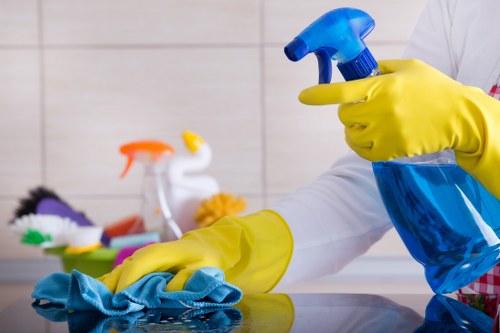
Communal area cleaning is about much more than appearance. Shared spaces are high-traffic zones where dust, grime, germs, and litter collect rapidly. Because multiple people use these spaces throughout the day, surfaces such as handrails, door handles, switches, and lift buttons can become hotspots for contamination. Regular communal cleaning reduces the spread of bacteria and helps support a healthier environment.
Another major reason for prioritising communal area cleaning is resident satisfaction. People notice when a building is cared for, and they also notice when it is neglected. Clean flooring, polished fixtures, and fresh-smelling corridors send the message that the property is professionally managed. On the other hand, dusty corners and overflowing bins can create frustration and lower confidence in management.
There is also a financial benefit. Preventative cleaning often reduces the need for costly restorative work. For example, frequent floor maintenance can extend the lifespan of carpets and hard flooring, while regular washing of walls and touchpoints can prevent staining and wear. Consistent communal area cleaning is an investment in the long-term condition of the property.
Key Areas Included in Communal Area Cleaning
A strong communal area cleaning plan should cover every shared space that tenants, residents, or visitors use. The exact checklist will vary depending on the building type, but the aim is always the same: to keep commonly used spaces tidy, hygienic, and safe. Below are the most common areas included in communal cleaning services.
- Entrance halls and lobbies – the first area people see, often requiring daily attention.
- Hallways and corridors – high-traffic routes where dust and marks accumulate quickly.
- Stairwells – a key safety area that needs regular sweeping, mopping, and handrail cleaning.
- Lifts and lift lobbies – frequent touchpoints and compact spaces that need disinfection.
- Shared kitchens and break rooms – areas where food residue and bacteria can build up.
- Bin stores and waste rooms – spaces that require careful sanitation and odour control.
- Reception areas – often polished and maintained to a higher visual standard.
In some properties, communal area cleaning may also include laundry rooms, communal bathrooms, cycle storage areas, outdoor walkways, and communal lounges. The bigger the building, the more important it becomes to define responsibilities clearly and build a tailored cleaning schedule.
When shared spaces are cleaned systematically, the whole building feels more organised, comfortable, and trustworthy.
What a Professional Communal Area Cleaning Service Usually Includes
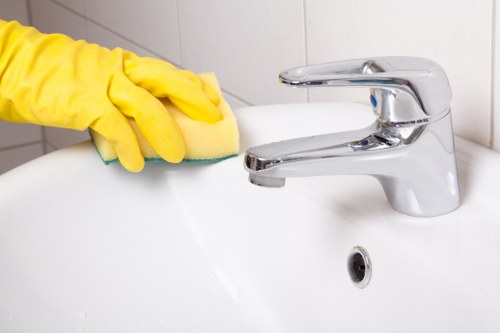
Professional communal area cleaning services typically follow a detailed checklist designed to cover both visible and hidden problem areas. This helps ensure no section is overlooked and that standards remain consistent over time. A reliable service should not only clean what is seen but also focus on the touchpoints and corners where dirt tends to collect.
Typical cleaning tasks may include:
- Dusting ledges, skirting boards, radiators, and light fixtures
- Vacuuming carpets and rugs in hallways and entrance areas
- Sweeping and mopping hard floors
- Cleaning and disinfecting handrails, switches, and handles
- Wiping down doors, frames, and glass panels
- Removing litter and emptying bins
- Polishing mirrors, metal fittings, and other reflective surfaces
- Cleaning lift interiors, buttons, and doors
- Checking for spills, stains, or hazards that need urgent attention
Some providers also offer deep communal area cleaning for periodic refreshes. This can include machine scrubbing of floors, steam cleaning, stain removal, and more intensive sanitisation. Deep cleaning is especially useful after heavy use, refurbishments, or seasonal weather conditions that bring in extra dirt and debris.
Professional standards matter because communal spaces represent the entire property. A clean shared environment supports both hygiene and presentation, and it often reduces the need for reactive maintenance later.
How Often Should Communal Area Cleaning Be Done?
The ideal frequency for communal area cleaning depends on foot traffic, property type, and the nature of the spaces involved. A busy apartment block with dozens of residents may require daily attention, while a smaller building might need cleaning several times a week. What matters most is matching the schedule to actual use.
Common scheduling examples include:
- Daily cleaning for entrances, lift areas, and high-touch surfaces in busy properties.
- Several times per week for corridors, stairwells, and lobbies in medium-traffic buildings.
- Weekly cleaning for lower-traffic communal areas that still need regular upkeep.
- Monthly or quarterly deep cleans for more intensive maintenance and sanitation.
Weather can also influence frequency. In wet or winter conditions, communal area cleaning may need to be more frequent because of mud, salt, water, and debris brought in from outside. Similarly, periods of increased occupancy, such as student move-in season or holiday guest traffic, often call for extra cleaning visits.
The best communal area cleaning schedules are flexible. They adapt to seasonal changes, resident needs, and the level of building use rather than relying on a one-size-fits-all approach.
Benefits of Regular Communal Area Cleaning

There are many advantages to maintaining a consistent communal area cleaning routine. While some are obvious, such as a cleaner appearance, others are less visible but equally important. Clean communal spaces can influence everything from safety and hygiene to morale and long-term maintenance costs.
Key benefits include:
- Improved hygiene – reduced spread of germs and bacteria in shared spaces.
- Better appearance – a tidy, polished environment creates a stronger first impression.
- Enhanced safety – fewer trip hazards, spills, and slippery surfaces.
- Longer-lasting surfaces – regular care helps preserve flooring, walls, and fixtures.
- Reduced odours – especially important in bin areas, kitchens, and enclosed corridors.
- Higher occupant satisfaction – residents and employees feel more comfortable in clean spaces.
- Professional property image – useful for landlords, managing agents, and business owners.
There is also a psychological benefit. People naturally feel better in clean, organised surroundings. A fresh lobby or well-maintained corridor can create a sense of calm and trust. In contrast, neglected communal spaces may increase stress and create the impression that the building is poorly managed.
Communal area cleaning supports both practical hygiene and the overall atmosphere of a property.
Common Challenges in Communal Area Cleaning
Although communal area cleaning is straightforward in principle, it can be challenging in practice. Shared spaces are often used constantly, which means they can become dirty again soon after they have been cleaned. This makes timing and consistency critical. If cleaning is done too infrequently, dirt builds up and becomes harder to remove.
One challenge is inconsistent access. In some buildings, cleaners may need keys, fobs, codes, or permission to enter certain areas. Delays can reduce cleaning efficiency and make it harder to stick to the schedule. Another challenge is resident behaviour. Items left in hallways, rubbish placed outside bin areas, or spills not reported promptly can all undermine the cleaning process.
Environmental factors also play a role. Rain, snow, and muddy conditions can significantly increase the amount of debris tracked into a building. Likewise, dusty renovations, ventilation issues, and poor waste management can create cleaning difficulties. A strong communal area cleaning plan anticipates these issues and includes practical steps to manage them.
Typical problems to watch for
- Build-up of dust in corners and along skirting boards
- Finger marks on glass, doors, and lift panels
- Odours from waste areas or shared kitchens
- Scuff marks on walls and floors
- Blockages caused by items left in communal corridors
Best Practices for Effective Communal Area Cleaning
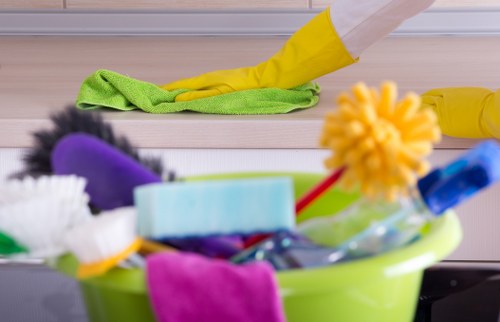
To get the best results, communal area cleaning should be organised around repeatable best practices. These help ensure that every visit delivers consistent results and that key hygiene risks are managed properly. Good processes also make it easier to track standards and identify areas that need more attention.
Useful best practices include:
- Use a written cleaning schedule to avoid missed areas and inconsistent routines.
- Prioritise touchpoints such as handrails, switches, and handles.
- Choose appropriate cleaning products for floors, glass, and high-contact surfaces.
- Separate equipment by area to reduce cross-contamination risks.
- Inspect work regularly to maintain quality and accountability.
- Address spills quickly to prevent slip hazards and staining.
- Document recurring issues so they can be fixed at the source.
It also helps to work with clear standards. For example, a corridor should not just be swept; it should look visibly tidy, smell fresh, and be free from marks or debris. In shared environments, the difference between basic cleaning and excellent communal area cleaning is often the level of detail.
Attention to detail turns routine maintenance into reliable property care. That is why professional cleaners often focus on both the obvious and overlooked parts of each space.
Health and Hygiene Considerations
Health is one of the strongest reasons to maintain regular communal area cleaning. Shared spaces can easily become sources of germs, especially when many people touch the same surfaces every day. Proper cleaning helps reduce microbial spread and supports better overall indoor hygiene.
In buildings with vulnerable residents, such as older adults, families with young children, or people with compromised immunity, this becomes even more important. High-touch communal cleaning and the use of suitable disinfectants can make a significant difference in keeping shared spaces safer.
It is also important to pair cleaning with other hygiene measures. Adequate ventilation, regular waste removal, and responsible use of shared facilities all support cleaner communal areas. When these elements work together, the building remains healthier and more pleasant for everyone.
Health-focused cleaning should pay close attention to:
- Lift buttons and entry systems
- Handrails and bannisters
- Shared tables and worktops
- Bins, bin rooms, and waste chutes
- Washroom fixtures and taps
Clean communal areas are not only visually appealing; they are part of a healthier living and working environment.
Communal Area Cleaning for Different Property Types
Communal area cleaning needs vary depending on the type of property. A residential apartment block is not cleaned in exactly the same way as an office building or student accommodation. The best results come from understanding how each environment is used and tailoring the cleaning routine accordingly.
Residential buildings
In residential blocks, the main focus is usually on entrances, staircases, lift areas, and corridors. These spaces need to feel welcoming and safe at all times. Residents expect reliable communal area cleaning that keeps shared spaces tidy without disturbing daily life.
Student accommodation
Student housing often experiences heavy use, so cleaning must be frequent and adaptable. Shared kitchens, bathrooms, hallways, and social spaces may require more intensive attention because of the volume of occupants and the fast pace of turnover.
Commercial properties
In office or business settings, communal cleaning often focuses on receptions, meeting areas, lift lobbies, washrooms, and break rooms. Presentation is especially important here because visitors and clients may judge the entire business by the condition of these shared spaces.
Regardless of property type, a customised plan helps ensure the right level of service. Communal area cleaning works best when it matches actual use, traffic, and hygiene risk.
What to Look for in a Communal Area Cleaning Provider
If you are choosing a provider for communal area cleaning, it helps to look beyond the basics. A dependable service should combine consistency, professionalism, and clear communication. The right provider will understand the unique needs of your building and adapt the schedule accordingly.
Important qualities include:
- Experience with shared spaces and property management requirements
- Flexible scheduling to work around building access and occupancy
- Clear checklists for routine and deep cleaning tasks
- Quality control to keep standards consistent
- Attention to hygiene in high-touch and high-risk areas
- Responsive service when urgent issues arise
It is also worth asking whether the provider can adjust to seasonal changes, special events, or occupancy spikes. The ability to scale service up or down is valuable, especially in properties with changing usage patterns. A good provider should make communal area cleaning feel seamless rather than disruptive.
When a cleaning plan is well managed, the property benefits from cleaner spaces, fewer issues, and better long-term upkeep.
The Role of Technology and Modern Methods
Modern cleaning methods have improved the quality and efficiency of communal area cleaning. Microfibre cloths, colour-coded equipment, and advanced floor-care machines can help deliver better results with less waste. Many cleaners also use digital schedules, inspection checklists, and reporting systems to track progress.
Technology can make a noticeable difference in larger properties where multiple cleaners or shifts are involved. Digital records help ensure tasks are completed on time, while photo reporting can highlight problems such as damage, spills, or repeated misuse of common spaces. This creates better communication between cleaning teams and property managers.
In addition, eco-conscious products and water-efficient equipment are becoming more common. These options support sustainability goals while still maintaining strong hygiene standards. Modern communal area cleaning can be both effective and environmentally responsible.
Useful modern tools may include:
- Microfibre dusting systems
- Low-moisture floor cleaning equipment
- Eco-friendly detergents and disinfectants
- Digital inspection checklists
- Maintenance reporting apps
Why Consistency Matters More Than Occasional Deep Cleaning
Many people assume that one thorough clean is enough to keep communal areas in good condition, but this is rarely the case. Shared spaces need ongoing care because dirt and wear return quickly. Regular communal area cleaning prevents minor issues from turning into larger, more expensive ones.
A strong routine also makes cleaning more effective. When dirt is removed before it settles, surfaces stay brighter, odours are easier to control, and floors last longer. In contrast, infrequent cleaning often means more effort is needed each time and the final result may still not meet expectations.
Consistency builds trust. Residents, employees, and visitors notice when communal areas remain tidy over time. That steady standard reflects well on the entire property and shows that management takes maintenance seriously.
If you want cleaner, safer, and more welcoming shared spaces, now is the time to act. Book your service now and make communal area cleaning a dependable part of your property care plan. Contact us today to keep your communal spaces looking their best.
Final Thoughts on Communal Area Cleaning
Communal area cleaning is a practical necessity and a visible sign of good property management. It supports hygiene, safety, presentation, and long-term maintenance in ways that benefit everyone who uses the building. From daily touchpoint cleaning to deeper periodic maintenance, the right strategy keeps shared spaces fresh, functional, and pleasant.
By understanding the unique needs of your property and setting a reliable schedule, you can create a standard of cleanliness that people notice for the right reasons. Whether the building is residential, commercial, or mixed-use, consistent communal area cleaning helps protect value and improve the daily experience of occupants.
Clean communal spaces are not an optional extra; they are part of a well-run, professional environment. With the right approach, your shared areas can stay welcoming, hygienic, and ready for everyday use.