Insurance and Safety
Insurance and safety are essential foundations for every responsible service, site, and project. Whether work takes place in a busy public area, a private property, or a controlled commercial environment, the right protections help reduce disruption, protect people, and support consistent quality. A clear approach to public liability insurance, staff training, PPE, and risk assessment ensures that safety is planned rather than left to chance. 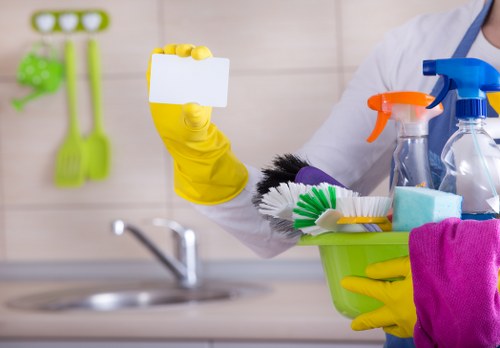
Our approach to insurance and safety begins with understanding the potential risks involved in each task. Public interaction, equipment use, site access, and environmental conditions all require careful consideration. By building safety into everyday operations, teams can work more confidently and clients can have reassurance that proper procedures are in place. This commitment also supports compliance, professionalism, and operational reliability.
One of the most important safeguards is public liability insurance. This coverage is designed to provide protection if accidental damage or injury occurs to a third party during work activities. In practical terms, it helps create a responsible framework for projects that may involve visitors, neighbours, customers, or passers-by. 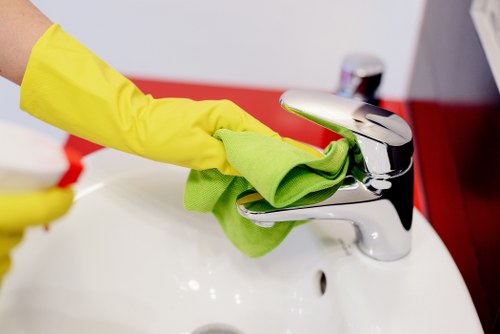 Public liability insurance is not just a formality; it is a vital part of any well-managed safety strategy and an indicator of professional accountability.
We also place strong emphasis on staff training. Training helps ensure that every team member understands how to carry out tasks safely, use equipment correctly, and respond appropriately if conditions change. Ongoing staff training supports a culture where safety is understood as a daily responsibility. It covers safe working methods, hazard awareness, emergency procedures, and the correct handling of tools and materials. A trained team is better prepared to prevent incidents and maintain a high standard of service.
Training is closely linked to PPE and safe working habits. Even experienced staff benefit from refreshers, especially when work environments or procedures change. Insurance and safety are strengthened when people know how to identify risks early and take sensible action. This includes speaking up about concerns, following established procedures, and making sure protective measures are used properly at all times.
PPE, or personal protective equipment, is another key part of our safety framework. Depending on the nature of the work, PPE may include gloves, safety footwear, eye protection, hi-vis clothing, hearing protection, or respiratory equipment.  PPE acts as a final barrier when hazards cannot be fully removed. However, it works best when combined with planning, training, and proper supervision. The correct selection, fitting, and maintenance of PPE are essential to keep people protected and comfortable while they work.
The risk assessment process is central to everything we do. Before any task begins, potential hazards are identified and reviewed so that suitable control measures can be put in place. This process considers the work area, the equipment being used, access routes, weather conditions, and any members of the public who may be nearby. A proper risk assessment helps prevent avoidable problems and ensures that safety measures are proportionate to the level of risk involved.
Risk assessment is not a one-time document; it is an active process that is updated when circumstances change. If a new hazard appears, if the layout of a site changes, or if different equipment is introduced, the assessment should be reviewed and adjusted. This flexible approach supports safer decision-making and keeps insurance and safety aligned with real working conditions. It also ensures that controls remain effective rather than outdated.
Our team uses a structured process to assess, control, and monitor risk at every stage of a job. That may include isolating hazards, setting exclusion zones, improving communication, or changing the sequence of work to reduce exposure.  In combination with public liability insurance, staff training, and PPE, this process creates a complete safety system that protects people and supports dependable service delivery.
Safety also depends on clear communication and consistent supervision. Team members are encouraged to follow safe systems of work, check equipment before use, and report any issue immediately. When procedures are followed properly, the chance of accidents is reduced and work can proceed with greater efficiency. Good communication helps ensure that everyone understands their responsibilities and can act quickly if conditions change.
Another important element of insurance and safety is regular equipment maintenance. Well-maintained tools and machinery are less likely to fail and more likely to perform safely. This includes inspections, cleaning, storage, and replacement of worn parts when required. Maintenance supports risk reduction, protects staff, and reinforces the value of a proactive safety culture. It also complements other safeguards such as PPE and formal training.
By combining public liability insurance, staff training, suitable PPE, and a thorough risk assessment process, we create a reliable and responsible approach to every project.  This commitment supports safe working conditions, protects the public, and helps ensure that operations are handled with care, professionalism, and attention to detail. Insurance and safety are not separate priorities; they work together to form the backbone of a secure and well-managed service.