Oven Cleaning in Modern Homes: A Practical, SEO-Friendly Approach to a Cleaner Kitchen
Keeping your kitchen spotless is about more than appearances. Oven cleaning plays a major role in hygiene, cooking performance, energy efficiency, and even the taste of your meals. When grease, carbon buildup, and burnt food residue collect inside the appliance, the oven has to work harder, produces smoke, and can leave unpleasant odors in your food. For homeowners and renters alike, regular oven cleaning is one of the smartest maintenance habits you can adopt.
Whether you cook daily or only use your oven on weekends, residue builds up over time. That buildup can affect temperature accuracy, increase the risk of flare-ups, and make every future cleaning session more difficult. With the right approach, oven cleaning does not have to be overwhelming. In this article, you’ll discover useful methods, safety tips, common mistakes, and practical ways to keep your oven looking and performing its best.
If you’ve been putting off the job, now is the perfect time to understand what goes into effective oven cleaning and how to maintain a fresher, more efficient kitchen appliance all year long.
Why Oven Cleaning Matters More Than You Think
Many people think of oven cleaning as a cosmetic chore, but the benefits go far beyond appearance. A clean oven supports better cooking results, safer operation, and a more pleasant kitchen environment. When grease and food particles remain inside the oven, they can burn repeatedly during future cooking cycles, creating smoke and strong smells that affect your food and home.
From a performance standpoint, a dirty oven may distribute heat unevenly. Baked goods can rise unevenly, roasted dishes may cook inconsistently, and preheating may take longer than usual. In some cases, heavy buildup can even interfere with the oven’s heating elements or fan function. That is why regular oven cleaning should be seen as part of routine household upkeep rather than a once-in-a-blue-moon task.
There is also a safety factor. Thick grease layers can become a fire hazard, especially if they sit near heating elements or gas burners. By prioritizing oven cleaning, you reduce the risk of smoke, unpleasant smells, and potential appliance problems.
Signs Your Oven Needs Cleaning
It is not always obvious when your oven requires attention, but several warning signs can help you decide when it’s time for a deeper clean. If you notice strong burnt odors every time you cook, residue on oven walls, or smoke coming from the appliance, the oven likely needs thorough oven cleaning.
Other indicators include dark stains on the glass door, sticky racks, visible food debris, and a greasy film around the interior. If your oven is self-cleaning but still leaves residue behind, it may simply be overdue for manual maintenance. Frequent spills, especially from casseroles, pies, and roasted meats, can also cause faster buildup.
To make the job easier, do not wait until the oven looks severely neglected. Regular oven cleaning after spills or at monthly intervals can prevent stubborn grime from becoming baked-on carbon deposits.
Common signs to watch for
- Smoke during preheating or cooking
- Burning smells that linger in the kitchen
- Sticky or greasy oven racks
- Dark stains on the interior or glass door
- Uneven heating or poor cooking performance
Preparing for Safe and Effective Oven Cleaning

Before starting any oven cleaning task, preparation is essential. Always switch off the oven and let it cool completely. If you are cleaning a gas oven, ensure the gas supply is off where appropriate and follow the manufacturer’s safety recommendations. Removing loose debris first helps reduce mess and improves results.
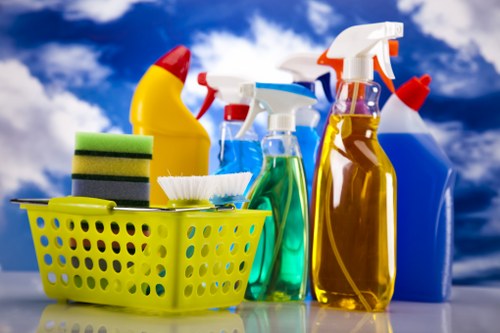
Gather the supplies you may need, including microfiber cloths, a soft sponge, a plastic or silicone scraper, warm water, dish soap, baking soda, vinegar, and a non-abrasive brush. Avoid using harsh metal tools that can scratch the interior surface. If you prefer a commercial product, choose one labeled safe for your oven type and always follow the instructions carefully.
For better results, remove oven racks, trays, and thermometers before cleaning. This allows you to reach corners and treat stubborn grease properly. A little preparation goes a long way in making oven cleaning faster, safer, and more effective.
What to do before you begin
- Turn off the appliance and let it cool.
- Remove racks, trays, and loose accessories.
- Lay down towels or newspapers to catch drips.
- Open windows or improve ventilation.
- Collect non-abrasive cleaning tools and products.
Natural Oven Cleaning Methods That Work
Many households prefer natural methods for oven cleaning because they are affordable, simple, and less harsh than chemical alternatives. Baking soda and vinegar remain popular choices for tackling everyday grease and grime. A paste made from baking soda and water can be spread over the interior surfaces, left for several hours or overnight, and then wiped away with a damp cloth.
Vinegar can help loosen residue and neutralize lingering odors. After applying and wiping away baking soda paste, a light spray of vinegar can react with leftover residue and make final cleanup easier. This method works particularly well for ovens with moderate buildup rather than extreme grease accumulation.
Another effective option is warm soapy water for removable parts like racks and trays. Soaking them for a few hours can reduce scrubbing time dramatically. Natural oven cleaning methods are ideal for routine maintenance and for anyone looking to minimize strong fumes in the kitchen.
Benefits of natural cleaning products
- Lower odor and fewer harsh fumes
- Budget-friendly ingredients
- Safer for frequent use
- Gentler on many oven surfaces
- Useful for routine maintenance
How to Clean Oven Racks and Accessories
Racks are often the dirtiest part of the appliance, collecting grease, baked-on food, and discoloration over time. Effective oven cleaning should always include these accessories because even a spotless oven interior can still smell or smoke if the racks remain filthy. The best method depends on how dirty they are and what materials they are made from.
For lightly soiled racks, a soak in warm water with dish soap may be enough. For heavier buildup, create a paste of baking soda and water or use a non-abrasive degreasing cleaner. Scrub gently with a sponge or brush after soaking. If your sink is too small, a bathtub lined with towels can work as an alternative soaking area.
Do not forget trays, pizza stones, oven-safe thermometers, and side rails if they are removable. Keeping all accessories clean supports better overall oven cleaning results and helps prevent residue from transferring back into the oven.
Step-by-Step Oven Cleaning Process
A structured method makes oven cleaning much easier and more effective. While every appliance is slightly different, a basic process works for most ovens. Start by removing loose crumbs and debris with a dry cloth or vacuum attachment. Next, treat interior surfaces with your preferred cleaner, allowing enough dwell time for grease to loosen.
Once the cleaner has had time to work, wipe the surfaces thoroughly with a damp microfiber cloth. Repeat as needed for stubborn spots. For glass doors, use a gentle cleaner and avoid abrasive pads that may leave scratches. Finish by drying all surfaces to prevent streaks and residue.
Remember that patience matters. Rushing through oven cleaning may leave stubborn areas behind, leading to more work later. Taking your time usually results in a cleaner finish with less effort in the long run.
Simple process to follow
- Remove racks and accessories.
- Clear out crumbs and loose debris.
- Apply your chosen cleaner.
- Let it sit for the recommended time.
- Wipe and scrub gently.
- Rinse and dry all surfaces.
Oven Cleaning Mistakes to Avoid
Even with good intentions, people often make mistakes that make oven cleaning less effective or even damaging. One common issue is using abrasive tools like steel wool or harsh scouring pads. These can scratch enamel surfaces and make future grime easier to cling to. Another mistake is applying too much liquid, which can seep into electrical components or insulation.
Some homeowners also mix chemicals without realizing the risks. Combining certain cleaners can create harmful fumes. Always read labels and avoid improvising with incompatible products. In addition, do not clean a warm or hot oven unless the product instructions explicitly say it is safe to do so. Heat can cause some cleaners to release stronger fumes or behave unpredictably.
Finally, skipping regular maintenance is a major mistake. Oven cleaning becomes significantly harder when grease is allowed to accumulate for months. Smaller, more frequent cleaning sessions are usually easier than waiting for a deep clean emergency.
Common mistakes checklist
- Using sharp or abrasive scrubbers
- Mixing incompatible cleaning products
- Cleaning a hot appliance
- Using too much liquid inside the oven
- Leaving residue behind after cleaning
How Often Should You Clean Your Oven?
The right frequency for oven cleaning depends on how often you cook and what kinds of meals you prepare. If you roast meats, bake dishes that bubble over, or use the oven several times a week, monthly cleaning may be appropriate. For lighter use, every two to three months may be enough. The key is to address spills quickly before they harden.
Small spills should be wiped once the oven cools, while deep cleaning can be scheduled periodically. This routine prevents buildup and keeps the appliance in good condition. If you notice smoke, odors, or dark residue sooner than expected, do not wait for your planned cleaning date. Responding quickly saves time later.
Think of oven cleaning as a maintenance habit, similar to changing filters or wiping down counters. Regular attention keeps your kitchen more pleasant and your appliance more reliable.
Suggested cleaning frequency
- After spills: once the oven is cool
- Light use: every 2–3 months
- Frequent use: monthly
- Heavy use or large families: every 2–4 weeks
When to Consider Professional Oven Cleaning
Sometimes, at-home oven cleaning is not enough. If the oven has heavy carbon buildup, thick grease layers, or strong odors that return even after you clean it, professional service may be the best option. Professionals often use specialized tools and products designed to remove stubborn residue efficiently and safely.
Professional support can also be helpful if the appliance is part of a busy rental property, short-term accommodation, or commercial kitchen. In these settings, ovens may be used more intensively and require deeper maintenance. Professional oven cleaning can also help restore an oven that has been neglected for a long time.
Another reason to call in experts is when you are concerned about damaging delicate finishes or internal components. If you are unsure about the safest method for your appliance, a professional approach can provide peace of mind while delivering excellent results.
Signs professional help may be worth it
- Heavy burnt-on grease that will not come off
- Persistent smoke or odors after cleaning
- Damage concerns or delicate oven surfaces
- Limited time for deep cleaning
- Commercial or high-use kitchen environments
Keeping Your Oven Cleaner for Longer
The best way to reduce future work is to build habits that support easier oven cleaning. Use baking trays or liners where appropriate to catch drips, but make sure they are oven-safe and do not block airflow. Cover dishes likely to splatter, and place foil or mats only according to manufacturer recommendations.
Wiping small spills soon after the oven cools also helps a lot. A quick clean takes minutes and prevents stains from hardening into a major scrubbing job. If you make a habit of checking the oven after cooking messy dishes, you can keep buildup under control all year.
Routine maintenance also includes checking the door seal, interior lights, and vents. When these areas stay clear and functional, your appliance stays efficient. With simple habits, oven cleaning becomes easier, faster, and less stressful.
Easy habits that make a difference
- Wipe spills as soon as the oven is cool
- Use trays to catch drips and overflow
- Avoid overfilling dishes that bubble over
- Inspect the oven door and seals regularly
- Schedule recurring cleaning sessions
Choosing the Right Oven Cleaning Approach for Your Kitchen
Not every kitchen needs the same solution. A family that cooks daily may benefit from monthly maintenance and occasional professional support, while a smaller household may only need periodic light cleaning. The best oven cleaning method depends on your appliance type, the level of buildup, and your comfort with DIY tasks.
Self-cleaning ovens can be helpful, but they are not a substitute for ongoing upkeep. Manual cleaning still matters for racks, door glass, and areas that the self-clean cycle may not address fully. On the other hand, chemical products may work quickly but require careful ventilation and handling. Natural methods may be safer for regular use, though they may take longer to break down grease.
What matters most is consistency. The right oven cleaning approach is the one you can maintain safely and regularly without creating extra stress. A cleaner oven means better cooking, fewer odors, and a more enjoyable kitchen experience.
Final Thoughts on Oven Cleaning
Regular oven cleaning is one of the simplest ways to protect your appliance, improve your cooking results, and keep your kitchen fresh. Whether you choose natural methods, commercial products, or professional help, the goal is the same: remove buildup before it becomes a bigger problem. A little care goes a long way in extending the life and performance of your oven.
If you’ve been delaying this task, start with a manageable session today. Focus on the racks, the glass door, and visible residue, then build a routine that works for your household. With steady maintenance, oven cleaning becomes less of a chore and more of a smart home habit.
Book your service now if you want expert assistance, or contact us today to take the next step toward a cleaner, safer kitchen environment.