Domestic Cleaning: A Practical Approach to a Cleaner, Healthier Home
Domestic cleaning is one of those essential routines that often goes unnoticed until dust, clutter, and grime begin to build up. A well-kept home does more than look good; it supports comfort, hygiene, and peace of mind. Whether you live in a busy family household, a compact apartment, or a shared property, domestic cleaning helps create a more pleasant environment for everyday life. It also protects surfaces, reduces allergens, and makes maintenance easier over time.
Many people think domestic cleaning is only about sweeping floors or wiping counters, but it actually involves a wide range of tasks, habits, and choices. From daily tidying to deep cleaning, each step contributes to a healthier living space. Domestic cleaning is also highly adaptable: some households prefer to manage everything themselves, while others use professional house cleaning services to save time and maintain consistent standards.
In today’s fast-paced world, keeping on top of household cleaning can feel challenging. That is why having a clear structure, practical method, and realistic expectations makes such a difference. This article explores the key elements of domestic cleaning, what makes it effective, and how to create a routine that suits your home and lifestyle.
What Domestic Cleaning Really Means
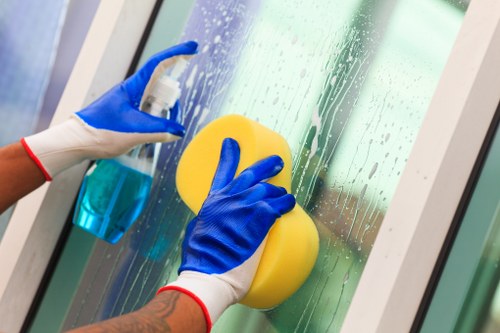
Domestic cleaning refers to the regular cleaning and upkeep of residential spaces. It includes common household tasks such as dusting, vacuuming, mopping, sanitising bathrooms, cleaning kitchens, and managing clutter. Unlike one-off tasks or specialist cleaning projects, domestic cleaning focuses on the ongoing care of a home.
The purpose of domestic cleaning is not just visual appeal. It also supports indoor hygiene, helps control dust and bacteria, and keeps living areas safe and comfortable. A clean home can reduce stress, improve focus, and make everyday routines feel more manageable.
Some households handle domestic cleaning in short daily sessions, while others prefer weekly or biweekly schedules. The best approach depends on the size of the property, the number of occupants, lifestyle habits, pets, and whether anyone in the home has allergies or sensitivities.
Why Domestic Cleaning Matters for Every Home
There are many reasons why domestic cleaning should be treated as more than a chore. First, it helps maintain a healthy environment by reducing dust, germs, and mould risk. Bathrooms and kitchens, in particular, need regular attention because they are high-use areas where moisture and food residue can create hygiene concerns.
Second, consistent domestic cleaning protects the condition of your home. Floors, worktops, appliances, upholstery, and fittings last longer when they are properly maintained. Dirt, grease, and moisture can cause long-term wear, so routine cleaning is also a form of home preservation.
Third, a cleaner home supports better mental wellbeing. Many people notice that tidy surroundings create a sense of order and calm. When domestic cleaning is done regularly, it becomes easier to enjoy your space without feeling overwhelmed by mess or unfinished tasks.
Core Areas of Domestic Cleaning
1. Kitchens
The kitchen is one of the most important spaces in domestic cleaning because it combines food preparation, cooking, and frequent handling. Cleaning this area properly includes wiping counters, cleaning sinks, degreasing surfaces, emptying bins, and paying attention to appliances such as ovens, microwaves, and refrigerators.
Kitchen domestic cleaning should also focus on hygiene hot spots like handles, taps, cutting boards, and splashbacks. Regular attention prevents odours and helps keep the space safe for food preparation. A clean kitchen is not only more attractive but also much more efficient to use.
2. Bathrooms
Bathroom cleaning is another vital part of domestic cleaning. Because bathrooms are exposed to moisture every day, they require consistent care to prevent mould, soap scum, and limescale. Toilets, sinks, showers, baths, mirrors, and tiles should be cleaned regularly.
Strong bathroom hygiene supports a fresher and healthier home. Small tasks like replacing towels, cleaning drains, and disinfecting high-touch surfaces can make a noticeable difference. The bathroom is one area where regular upkeep saves time later by preventing build-up.
3. Living Areas and Bedrooms
Living rooms and bedrooms are where domestic cleaning often blends with tidying and organisation. Dusting furniture, vacuuming carpets, wiping surfaces, and laundering bedding are important tasks. These areas may seem low-maintenance, but dust and clutter can accumulate quickly, especially in busy households.
In bedrooms, clean sheets, fresh air, and organised storage contribute to comfort and better sleep. In living areas, maintaining clean upholstery, tables, shelves, and floors helps create a welcoming environment for family life or guests.
Daily Domestic Cleaning Habits That Make Life Easier
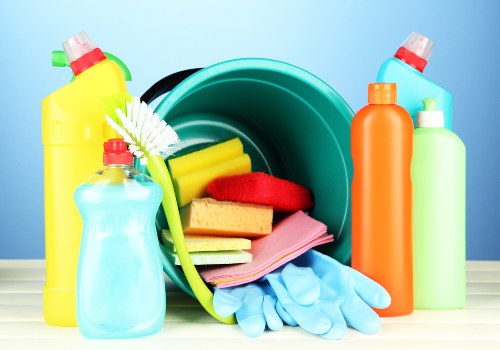
Effective domestic cleaning does not always require long sessions. In fact, small daily habits often prevent major cleaning jobs later. Simple actions such as wiping kitchen surfaces after cooking, putting items back in their place, and sweeping high-traffic areas can keep a home in much better shape.
Daily routines are especially useful in households with children, pets, or shared responsibilities. For example, making beds, loading the dishwasher, and spot-cleaning spills can reduce clutter and maintain order. These habits also make weekly domestic cleaning much easier because the home is already relatively tidy.
Another useful habit is to clean as you go. If something is spilled, wiped, or dropped, addressing it immediately prevents stains and build-up. This approach is one of the most practical ways to manage domestic cleaning without feeling like it takes over your day.
Examples of daily tasks
- Make beds in the morning
- Wipe kitchen counters after use
- Wash dishes or load the dishwasher
- Put away clothes, shoes, and household items
- Quickly sweep or vacuum busy areas
- Empty small bins if needed
Weekly Domestic Cleaning Tasks That Keep a Home Fresh
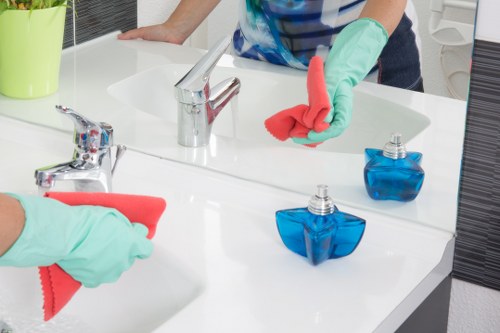
Weekly domestic cleaning usually covers the bigger tasks that daily routines do not fully address. This often includes vacuuming all floors, mopping hard surfaces, scrubbing bathrooms, changing bedding, dusting surfaces, and cleaning mirrors or glass.
A weekly schedule creates consistency. When tasks are assigned to particular days, domestic cleaning becomes easier to manage and less likely to be forgotten. Some people prefer dividing jobs across the week, while others dedicate one or two specific cleaning days.
Weekly cleaning should also include checking overlooked areas such as skirting boards, light switches, door handles, behind furniture, and under beds. These spots may not need attention every day, but they collect dust and grime over time. Keeping them on the weekly list helps maintain a cleaner overall environment.
Helpful weekly checklist
- Vacuum carpets and rugs
- Mop kitchens, bathrooms, and hallways
- Clean toilets, sinks, showers, and taps
- Dust shelves, furniture, and electronics
- Change and wash bed linen
- Disinfect high-touch surfaces
Deep Domestic Cleaning and Why It Matters
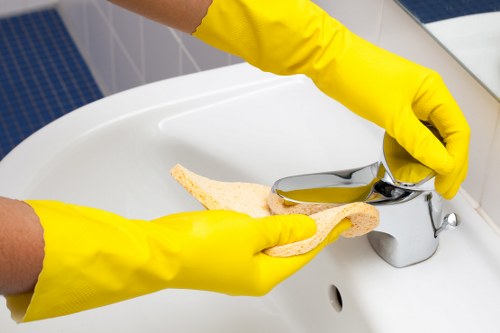
Deep domestic cleaning goes beyond standard maintenance. It targets areas that are often neglected during routine cleaning and helps restore freshness and hygiene across the property. This may include cleaning inside cupboards, behind appliances, under furniture, inside ovens, and around fixtures.
Deep cleaning is especially valuable during seasonal changes, before hosting events, after illness, or when a home has become heavily used. It can also be helpful before moving in or after moving out. A thorough deep clean can make a home feel renewed and reduce hidden dirt that accumulates over time.
While deep domestic cleaning may take more effort, it can prevent bigger problems later. For instance, cleaning grout, removing limescale, and clearing out storage areas helps stop build-up from becoming difficult to manage. It also creates a strong foundation for easier weekly upkeep.
Areas often included in deep cleaning
- Ovens and extractor fans
- Inside fridges and cupboards
- Under and behind large furniture
- Window frames and sills
- Baseboards, vents, and light fixtures
- Shower screens, grout, and tile edges
Choosing the Right Domestic Cleaning Products
Good domestic cleaning depends not only on effort but also on the products you use. Choosing the right supplies can improve results and make tasks faster. Common household cleaning products include all-purpose sprays, glass cleaners, disinfectants, bathroom cleaners, floor solutions, microfiber cloths, sponges, and brushes.
It is important to select products that suit each surface. Harsh chemicals are not always necessary, and using the wrong cleaner can damage delicate materials. For example, wood, stone, stainless steel, and upholstery often require specific care. Reading labels and following instructions helps protect your home while delivering better cleaning results.
Many households also prefer eco-friendly domestic cleaning products. These options can be a smart choice for people concerned about indoor air quality, children, pets, or environmental impact. Natural cleaning methods may include vinegar, baking soda, lemon-based solutions, and plant-based formulas. The key is to use them correctly and safely for the task at hand.
How to Build an Effective Domestic Cleaning Routine
Creating a domestic cleaning routine is one of the best ways to stay organised. A routine provides structure and reduces the chance of tasks piling up. The ideal schedule should be realistic, flexible, and suited to the way your household actually lives.
Start by identifying the highest-priority spaces in your home. Kitchens and bathrooms usually need the most frequent attention, while bedrooms and living areas may require a lighter routine. Then divide tasks into daily, weekly, and monthly categories so the workload feels more manageable.
Consistency matters more than perfection. A practical domestic cleaning routine does not need to be complicated. The goal is to keep the home functional, hygienic, and comfortable without creating unnecessary pressure. Once a rhythm is established, cleaning often becomes quicker and less stressful.
Simple routine structure
- Daily: quick tidying, dishes, surfaces, spills
- Weekly: floors, bathrooms, dusting, bedding
- Monthly: cupboards, appliances, vents, windows
- Seasonal: deep cleaning, decluttering, sorting storage
Domestic Cleaning Tips for Busy Households
Busy homes need practical solutions. If your schedule is packed, domestic cleaning should be efficient rather than time-consuming. One useful strategy is to clean in short bursts. Ten to fifteen minutes of focused cleaning can be surprisingly effective when repeated consistently.
Another tip is to involve everyone in the household. Domestic cleaning does not have to fall on one person alone. Assigning age-appropriate tasks to children or dividing responsibilities between adults can reduce stress and help keep the home in order.
You can also simplify by using baskets, storage boxes, and labelled containers to reduce clutter. When items have designated places, domestic cleaning becomes easier because less time is spent moving things around. The result is a more organised home and a smoother routine.
Time-saving habits
- Set a timer for short cleaning bursts
- Keep cleaning products in easy-to-reach places
- Declutter regularly to reduce mess
- Clean high-use areas first
- Use multipurpose tools where possible
When Professional Domestic Cleaning Makes Sense
Although many homeowners prefer to handle cleaning themselves, professional domestic cleaning can be a practical option. It may be especially helpful for people with limited time, physical constraints, demanding work schedules, or homes that require more frequent upkeep.
Professional cleaners can provide a higher level of consistency and attention to detail. They often bring trained methods, efficient systems, and specialised products. This can be helpful for deep cleaning, regular maintenance, or preparing a property for guests, tenants, or special events.
Choosing professional domestic cleaning does not mean giving up control. Many households combine their own daily habits with scheduled support for larger jobs. This blended approach can keep the home in excellent condition while reducing the pressure on residents to do everything themselves.
Benefits of professional support
- Saves time and effort
- Provides consistent results
- Helps with deep or difficult tasks
- Supports busy families and working professionals
- Can improve home hygiene standards
Common Domestic Cleaning Mistakes to Avoid
Even well-intentioned cleaning routines can go wrong if certain mistakes are repeated. One common mistake is using too much product. Excess cleaner can leave residue, attract dirt, or damage surfaces. Less is often more when it comes to effective domestic cleaning.
Another issue is cleaning too quickly or in the wrong order. For example, dusting after vacuuming can undo your progress, while cleaning a floor before surfaces are wiped may mean dirt falls back down. Working from top to bottom is usually the best method because dust and debris move downward.
Ignoring hidden areas is another frequent problem. Spaces behind furniture, under beds, around taps, and inside appliances may not seem urgent, but they influence the overall cleanliness of the home. A balanced domestic cleaning routine should include both visible and overlooked spaces.
Domestic Cleaning for Healthier Living
One of the strongest reasons to invest time in domestic cleaning is health. Clean homes typically contain fewer allergens, fewer germs, and less moisture-related build-up. This is especially relevant for households with children, older adults, asthma sufferers, or anyone sensitive to dust and pet dander.
Regular domestic cleaning can also support better hygiene in shared spaces. High-touch areas such as door handles, remotes, switches, and taps should be cleaned often because they are used frequently throughout the day. These small efforts contribute to a safer and more comfortable environment.
In addition, a clean home can encourage better routines overall. People often eat better, sleep better, and feel more relaxed in organised surroundings. While domestic cleaning may seem like a simple household task, its impact on everyday wellbeing is significant.
Seasonal Domestic Cleaning and Home Maintenance
Different seasons create different cleaning needs. During spring, many households focus on refreshing rooms, opening windows, and tackling areas that were neglected during colder months. In summer, dust, pollen, and outdoor traffic may lead to more frequent floor cleaning and surface wiping.
Autumn and winter often bring more mud, moisture, and indoor time, making domestic cleaning more about managing entryways, carpets, radiators, and heating areas. Seasonal cleaning is useful because it aligns household tasks with how the home is actually being used.
Seasonal domestic cleaning is also a good moment to declutter. Rotating wardrobes, sorting storage spaces, and reviewing items that are no longer needed can make the home feel lighter and easier to maintain. It is an excellent way to keep cleaning efforts efficient throughout the year.
Seasonal priorities
- Spring: windows, deep dusting, cupboards
- Summer: ventilation, floors, entryways
- Autumn: carpets, heaters, storage areas
- Winter: moisture control, disinfection, clutter reduction
Making Domestic Cleaning Feel Less Overwhelming
For many people, the hardest part of domestic cleaning is not the cleaning itself but the feeling of being overwhelmed by everything that needs to be done. The best way to reduce that pressure is to break tasks into manageable pieces and focus on progress rather than perfection.
It also helps to set realistic standards. Not every area needs to be spotless at all times. A well-cleaned home is one that is cared for consistently, not one that looks untouched by real life. By accepting that some mess is normal, domestic cleaning becomes less stressful and more sustainable.
If you find motivation difficult, pairing cleaning with music, podcasts, or a timer can help. Many people also benefit from starting with one room or one task at a time. Once momentum builds, domestic cleaning often feels much easier to continue.
The Long-Term Value of Domestic Cleaning
Domestic cleaning is an investment in your home, your comfort, and your daily routine. Over time, regular care protects surfaces, reduces the need for intensive jobs, and keeps your living space welcoming. It also supports hygiene and can improve how you feel in your own home.
Whether you do everything yourself or mix personal routines with professional house cleaning services, the key is consistency. A clean home does not happen by accident; it is usually the result of steady, practical habits that are repeated over time.
Domestic cleaning may never be the most exciting part of home life, but it is one of the most valuable. It creates space for rest, productivity, and better living. If you are ready to improve your environment, start with one small task today and build from there. Contact us today or book your service now to take the next step toward a cleaner home.