Regular Cleaning: The Smart Way to Keep Every Space Fresh, Healthy, and Inviting
Why Regular Cleaning Matters More Than Most People Realize
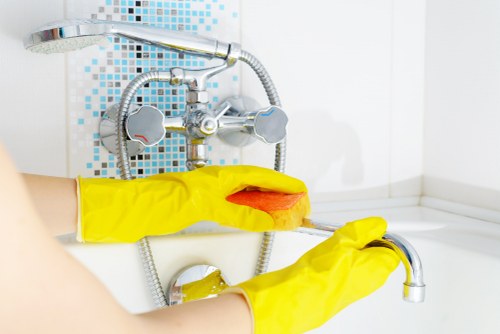
Regular cleaning is one of the simplest habits that can make a major difference in how a home, office, or commercial property looks, feels, and functions. Many people think of cleaning as a cosmetic task, but in reality, regular cleaning supports comfort, hygiene, organization, and even long-term savings. A tidy environment does more than shine on the surface; it helps reduce dust buildup, control odors, limit allergens, and create a space that feels calmer and more productive.
When cleaning is done consistently, dirt and grime do not get the chance to build up into larger, harder-to-remove problems. This is especially important in high-traffic areas where floors, counters, and touchpoints collect germs and debris quickly. Regular cleaning also makes deep cleaning easier because there is less buildup to remove later. In other words, small routine efforts can prevent bigger headaches down the road.
For many households and businesses, the biggest advantage of regular cleaning is the peace of mind it brings. Knowing that your environment is consistently maintained allows you to focus on daily life, work, or customers without distraction. A clean environment is also more welcoming, which matters whether you are hosting guests, serving clients, or simply trying to enjoy your own space. Clean spaces create better experiences, and that is a benefit people notice immediately.
The Health Benefits of Regular Cleaning
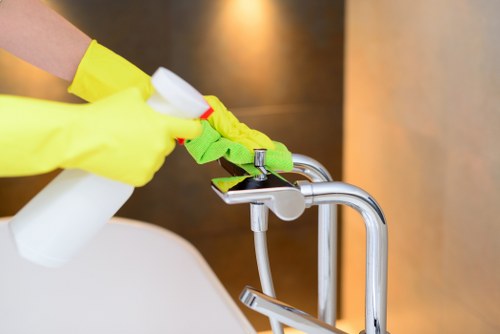
One of the strongest reasons to prioritize regular cleaning is health. Dust, pet dander, pollen, mold spores, and bacteria can gather on surfaces and in the air over time. Without routine cleaning, these particles can contribute to allergies, respiratory irritation, and general discomfort. Consistent dusting, vacuuming, disinfecting, and ventilation help reduce exposure and support a healthier indoor environment.
Regular cleaning is especially valuable in homes with children, older adults, or anyone with sensitivities. Kitchens and bathrooms, in particular, require close attention because they are prone to moisture and frequent contact. By maintaining these areas on a schedule, you can reduce the risk of harmful buildup and create a safer living space. Clean surfaces matter because they are a first line of defense against everyday germs.
It is also worth noting that cleaning is not just about what you can see. Hidden areas such as under furniture, behind appliances, and along baseboards can accumulate debris that affects air quality and overall freshness. Regular cleaning routines that include these overlooked spaces help improve the entire indoor atmosphere. The result is a space that feels lighter, fresher, and more comfortable to spend time in.
Health-focused cleaning habits that make a difference
Simple habits can go a long way in supporting better indoor hygiene:
- Wash or sanitize high-touch surfaces daily.
- Vacuum carpets and rugs regularly to reduce dust and allergens.
- Clean kitchen counters immediately after food preparation.
- Scrub sinks, toilets, and showers on a consistent schedule.
- Open windows when possible to improve airflow.
How Regular Cleaning Improves Appearance and Comfort

A spotless-looking room does more than impress visitors; it changes how people feel in the space. Regular cleaning helps maintain a polished appearance by preventing visible dust, fingerprints, stains, and clutter from taking over. Whether it is a home, storefront, restaurant, or office, a well-kept setting communicates care and attention to detail. People naturally feel more comfortable in a place that looks orderly.
Comfort is closely tied to cleanliness. Messy or dusty surroundings can make a room feel crowded, stale, or stressful, even when there is enough physical space. On the other hand, regular cleaning helps maintain a sense of openness and control. This can be especially helpful in busy households or workplaces where several people share common areas. A clean setting encourages smoother routines and fewer distractions.
There is also a psychological benefit. Many people report feeling more relaxed, focused, and motivated when their surroundings are clean. Regular cleaning can reduce the mental clutter that comes from living or working in disorganized spaces. That does not mean every space must look perfect all the time, but it does mean consistency pays off in noticeable ways. A little maintenance each day can preserve comfort and appearance for the long term.
Small details that change the feel of a space
Paying attention to details often produces the biggest visual impact:
- Wipe mirrors and glass to keep them streak-free.
- Fluff cushions and straighten furniture.
- Clear countertops and desk surfaces.
- Keep floors free of crumbs and dust.
- Remove trash before it becomes noticeable.
Regular Cleaning vs. Deep Cleaning: Understanding the Difference
Many people use the terms regular cleaning and deep cleaning interchangeably, but they serve different purposes. Regular cleaning refers to routine tasks that maintain cleanliness and prevent buildup. These tasks are usually done daily, weekly, or on another consistent schedule. Deep cleaning, by contrast, focuses on hard-to-reach areas and more intensive buildup that develops over time.
Both are important, but regular cleaning is the foundation. Without it, deep cleaning becomes more difficult, more time-consuming, and often more expensive. Think of regular cleaning as the maintenance that keeps a space under control, while deep cleaning restores areas that need extra attention. A strong routine can delay the need for major cleanups and help surfaces last longer.
For example, wiping kitchen counters every day is regular cleaning. Cleaning inside appliances, scrubbing tile grout, or washing behind heavy furniture may fall into deep cleaning. The key is balance. When both are part of a smart plan, your space stays cleaner, safer, and easier to manage. Consistency is what makes the difference between a room that merely looks clean and one that truly stays clean.
When to schedule each type
- Daily: dishwashing, wiping counters, making beds, light tidying.
- Weekly: vacuuming, mopping, bathroom sanitation, dusting.
- Monthly: baseboards, vents, appliance surfaces, window tracks.
- Seasonally: cabinets, closets, upholstery, and storage areas.
Creating a Practical Regular Cleaning Routine
The best cleaning routine is the one you can actually maintain. A regular cleaning plan should fit your schedule, your space, and your priorities. Some people prefer a daily reset system, while others break chores into zones or assign specific tasks to different days. The goal is not perfection; the goal is consistency that reduces stress and keeps your environment functional.
Start by identifying the areas that need the most attention. High-use spaces such as kitchens, bathrooms, entryways, and living rooms usually require the most frequent regular cleaning. After that, add lower-traffic areas like guest rooms, storage closets, or file areas to your schedule. Breaking tasks into manageable pieces makes them easier to complete and less overwhelming.
Time management matters too. It is easier to maintain regular cleaning when you dedicate small windows of time instead of waiting for an entire free day. Ten to fifteen minutes each day can prevent buildup and keep your home or office under control. Regular cleaning works best when it becomes part of your lifestyle rather than a last-minute chore.
A sample weekly cleaning structure
- Monday: dust surfaces and sanitize high-touch points.
- Tuesday: vacuum and mop floors.
- Wednesday: clean bathrooms.
- Thursday: wipe kitchen appliances and counters.
- Friday: organize clutter and empty trash bins.
- Saturday: handle laundry and bedding.
- Sunday: light reset and prep for the week ahead.
Regular Cleaning in Homes: What to Focus On
In residential settings, regular cleaning helps keep everyday life running smoothly. Families often deal with food crumbs, muddy shoes, toys, pet hair, and clutter, all of which can quickly make a home feel messy. A steady cleaning routine keeps these issues manageable and makes the home more enjoyable for everyone who lives there. It also makes it easier to welcome guests without rushing to tidy up at the last minute.
Some of the most important home areas for regular cleaning include the kitchen, bathroom, bedroom, and shared living spaces. Kitchens should be cleaned after cooking, because food residue attracts pests and stains surfaces. Bathrooms benefit from frequent sanitation to control moisture, soap scum, and bacteria. Bedrooms stay more restful when bedding is fresh and surfaces are dust-free. Living rooms need regular vacuuming, dusting, and decluttering to remain comfortable and inviting.
Homes with pets may need even more frequent cleaning. Pet hair, dander, tracked-in dirt, and occasional accidents can accumulate quickly, especially in carpeted areas. Regular cleaning helps control odors and supports better indoor hygiene for both people and animals. If your household is busy, building cleaning into everyday routines can make a meaningful difference in how the home feels and functions.
Practical home cleaning tips
- Keep cleaning supplies in convenient locations.
- Use baskets or bins to reduce visible clutter.
- Encourage family members to clean as they go.
- Focus on one room at a time when time is limited.
- Replace or refresh items that no longer look clean, such as mats or towels.
Regular Cleaning in Offices and Workspaces
In offices, regular cleaning plays a major role in productivity and professionalism. Employees are more likely to stay focused in an organized environment, and clients or visitors are more likely to trust a business that looks well maintained. Dirty workspaces can create a negative impression, while clean ones communicate reliability and attention to detail. In many cases, cleanliness is part of the customer experience itself.
Shared desks, conference rooms, break areas, and restrooms often need daily attention because multiple people use them throughout the day. Keyboard areas, phones, door handles, elevator buttons, and breakroom surfaces should also be cleaned regularly due to frequent contact. These habits help reduce the spread of germs and support a healthier workplace. Regular cleaning in offices is not optional; it is an essential part of maintaining a professional environment.
A clean office can also improve morale. Employees often feel more respected when their workspace is well maintained, and that sense of care can contribute to better performance. A clutter-free desk or organized common area can lower stress and make tasks feel easier to handle. Even small improvements in cleanliness can create a noticeable shift in how a team works together.
Office areas that deserve frequent attention
- Reception desks and waiting areas.
- Meeting rooms and shared tables.
- Restrooms and sink areas.
- Kitchenettes and coffee stations.
- Floors, carpets, and entryways.
Regular Cleaning and Long-Term Savings
Regular cleaning can also save money over time. Dirt, grime, and neglect can cause surfaces, flooring, appliances, and fixtures to wear out faster. For example, spills left too long may stain countertops or upholstery, while dust buildup can affect electronics and air vents. By cleaning consistently, you help preserve the condition of your property and reduce the risk of expensive repairs or replacements.
Appliances often benefit from regular cleaning as well. Ovens, refrigerators, microwaves, washers, and dryers work more efficiently when they are free from buildup. Floors last longer when grit is removed before it scratches the surface. Bathrooms and kitchens stay in better condition when moisture is controlled and stains are addressed early. Over time, these habits protect your investment and support better performance from everyday items.
There is also value in time savings. A home or workplace that receives regular cleaning does not require as much catch-up effort. That means fewer hours spent on overwhelming projects and more time available for work, family, or relaxation. Consistency reduces chaos, and that alone can be worth the effort. When cleaning becomes routine, it often feels easier, faster, and more manageable.
Eco-Friendly Regular Cleaning Practices
Many people want their regular cleaning habits to be effective without being wasteful. Eco-friendly cleaning focuses on using fewer harsh chemicals, conserving water, and choosing products that are safer for people and the environment. This approach can be especially useful in homes with children, pets, or individuals who are sensitive to strong odors or ingredients.
Simple eco-friendly methods can still deliver strong results. Microfiber cloths, reusable mop pads, concentrated cleaners, and multi-purpose solutions can reduce waste while keeping spaces clean. Natural ventilation, such as opening windows, can help reduce stale odors and improve freshness without relying heavily on artificial sprays. Regular cleaning done thoughtfully can be both practical and responsible.
Green habits also help create a more sustainable routine over time. Using only the amount of product you need, sorting waste properly, and reusing cleaning tools all contribute to lower environmental impact. Responsible regular cleaning is about making choices that support cleanliness without unnecessary excess.
Eco-conscious cleaning ideas
- Choose refillable cleaning products when possible.
- Use reusable cloths instead of disposable wipes for every task.
- Mix a schedule that reduces wasted effort and product use.
- Dispose of cleaning materials according to local rules.
- Prioritize ventilation before reaching for heavy fragrances.
How to Stay Consistent With Regular Cleaning
Consistency is the biggest challenge for many people. The good news is that regular cleaning becomes much easier when you build habits around it. Start small and keep your system realistic. It is better to maintain a simple routine than to create an ambitious plan that you cannot sustain. Over time, small actions become second nature.
Motivation also improves when the benefits are visible. If you notice that a tidier kitchen helps you cook more comfortably or that a cleaner office improves focus, you are more likely to stay committed. Setting reminders, using checklists, and sharing responsibilities can help make regular cleaning a stable part of the week. The routine should support your lifestyle, not fight against it.
If your schedule is busy, consider using “reset moments†throughout the day. These may include putting items away after use, wiping down a sink after brushing teeth, or spending five minutes clearing a surface before bed. Regular cleaning is easier when you prevent messes from spreading. Small actions repeated consistently can create big results without demanding major time commitments.
When Professional Cleaning Support Makes Sense
Even with strong habits, some situations benefit from professional help. Larger homes, busy workplaces, post-event cleanup, seasonal deep cleaning, or properties with special surface care needs can be difficult to manage alone. Professional services can supplement regular cleaning and help maintain a higher standard of cleanliness. This is especially helpful when you need extra support for time-sensitive or labor-intensive tasks.
Professional cleaning support can also be useful after renovations, before major events, or during transitions such as moving. In these cases, a regular routine may not be enough to handle the scale of the work. Having extra help allows you to focus on daily responsibilities while ensuring the space remains clean, presentable, and comfortable. For many people, this creates a healthier balance between maintenance and convenience.
If you are looking to improve the condition of your space, contact us today and explore the benefits of a cleaning plan that fits your needs. Book your service now if you want to make regular cleaning easier, faster, and more effective. The right support can help you maintain a space that feels fresh and welcoming every day.
Final Thoughts on Regular Cleaning
Regular cleaning is not just another chore on a to-do list. It is a practical, meaningful habit that protects health, improves appearance, supports comfort, and saves time and money. Whether you are maintaining a home, office, or shared space, consistent upkeep makes everything easier to manage. The real value of regular cleaning comes from its cumulative effect: every small effort adds up to a cleaner, calmer, and more efficient environment.
By building a realistic routine, focusing on high-traffic areas, and staying consistent, you can enjoy a cleaner space without feeling overwhelmed. The process does not need to be complicated to be effective. In fact, the simplest routines are often the ones people keep long term. If you are ready to enjoy the benefits of a healthier and more organized space, start with regular cleaning today and make it part of your everyday rhythm. Contact us today or book your service now to take the next step toward a fresher environment.