End of Tenancy Cleaning: A Practical, SEO-Friendly Approach to a Stress-Free Move
Why End of Tenancy Cleaning Matters

End of tenancy cleaning is one of the most important tasks before handing back a rented property. Whether you are a tenant preparing to leave, a landlord getting ready for new occupants, or a letting agent managing multiple properties, the condition of the property at the end of a tenancy can affect everything from deposit return to the speed of re-letting. A spotless home not only looks appealing but also helps avoid disputes and unnecessary delays.
Many tenants underestimate how detailed end of tenancy cleaning really is. It is not just about a quick vacuum, wiping surfaces, or emptying the bins. In most cases, landlords and inventory clerks expect a deep-cleaned property that reflects the standard set out in the tenancy agreement. That can include everything from skirting boards and ovens to bathroom limescale and hidden dust in hard-to-reach corners.
End of tenancy cleaning also plays a major role in maintaining a professional reputation. For tenants, leaving a property in excellent condition can help create a positive rental history. For landlords, a properly cleaned space can reduce turnaround time between tenancies and help preserve the value of the property. In a competitive rental market, this kind of attention to detail matters more than ever.
What Is End of Tenancy Cleaning?

End of tenancy cleaning refers to a deep and thorough cleaning carried out when a rental agreement ends. It is designed to restore the property to a clean, fresh, and presentable state for the next occupants. Unlike regular weekly cleaning, this process is much more detailed and usually covers areas that are often ignored during routine maintenance.
Typical end of tenancy cleaning tasks include cleaning inside cupboards, sanitizing bathrooms, degreasing kitchen appliances, washing walls where needed, polishing fixtures, and removing dust from baseboards, vents, and light fittings. Depending on the property size and condition, the work can take several hours or even a full day.
Many people search for end of tenancy cleaning services when they are short on time or want a professional finish. This is especially useful for busy tenants, families with children, or anyone moving on a tight schedule. A professional cleaner can bring specialized products, equipment, and experience to handle stubborn stains and high-traffic areas more effectively.
Why It Is Important for Tenants and Landlords
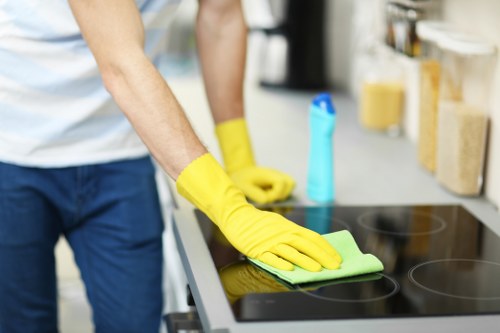
For tenants, the biggest reason to invest time and effort into end of tenancy cleaning is the deposit. In many rental agreements, the property must be returned in the same condition as when the tenant moved in, allowing for fair wear and tear. If the property is left dirty, the landlord may deduct cleaning costs from the deposit.
For landlords, a clean property is easier to market and more attractive to potential tenants. Clean homes photograph better, create stronger first impressions, and support higher occupancy rates. A well-maintained property also signals that the landlord values quality and takes the rental seriously.
End of tenancy cleaning is not just a cosmetic step; it can also protect the health and hygiene of the next resident. Built-up dirt, mold, grease, and dust can contribute to allergies or unpleasant odors. A thorough clean helps reset the property so it feels fresh and move-in ready.
What End of Tenancy Cleaning Usually Includes
Because expectations vary between tenancy agreements, it helps to understand what a standard end of tenancy cleaning checklist often covers. A proper clean should be far more detailed than routine housekeeping. It should reach the hidden places where grime accumulates over months or years.
- Vacuuming and mopping all floors
- Cleaning inside and outside cupboards and drawers
- Degreasing ovens, hobs, and extractor fans
- Scrubbing sinks, taps, tubs, showers, and toilets
- Removing limescale and soap residue
- Dusting shelves, skirting boards, and ledges
- Wiping doors, handles, switches, and fittings
- Cleaning mirrors, glass, and internal windows
- Removing cobwebs from ceilings and corners
- Emptying bins and sanitizing waste areas
Depending on the property, end of tenancy cleaning may also involve carpet cleaning, upholstery cleaning, wall spot cleaning, and deep cleaning of appliances such as fridges, freezers, and dishwashers. Some landlords also expect outdoor spaces like balconies, patios, or small gardens to be left tidy.
It is wise to review the inventory report and tenancy agreement before starting. That way, you can match the cleaning tasks to the property’s expectations and avoid missed areas that could lead to deductions later.
How to Prepare for an End of Tenancy Clean

Preparation is the foundation of an effective end of tenancy cleaning session. The better organized you are, the quicker and more efficient the process becomes. Start by removing all personal belongings, furniture, and rubbish from the property. A clutter-free space makes it much easier to clean every surface properly.
Next, check the tenancy agreement and inventory. These documents often show the condition of the property at the beginning of the tenancy, which helps you identify areas that need special attention. If there were pre-existing marks, stains, or damage, it is helpful to note them before cleaning begins.
It is also a smart idea to gather the right tools and products in advance. A successful end of tenancy cleaning process often requires microfiber cloths, an extendable duster, disinfectant, glass cleaner, grease remover, descaler, a strong vacuum, mop, scrub brushes, and gloves. If the property has carpets or upholstery, you may need specialized equipment or professional support.
Essential Cleaning Areas to Focus On
Not every room requires the same amount of attention, but some areas always deserve extra focus during end of tenancy cleaning. Kitchens and bathrooms are usually the most heavily inspected because they collect grease, moisture, and bacteria more quickly than other spaces. These rooms often determine whether a property feels truly clean.
In the kitchen, pay special attention to the oven, hob, extractor hood, sink, backsplash, and cupboard interiors. Remove grease from handles and clean around appliances where crumbs and debris tend to gather. In the bathroom, focus on limescale, grout, taps, shower screens, toilet bases, and any signs of mildew or damp.
Bedrooms and living areas should not be overlooked. Dust on wardrobes, skirting boards, blinds, windowsills, and light fixtures can easily be missed during a superficial clean. End of tenancy cleaning in these spaces should also include vacuuming under furniture, wiping doors and frames, and ensuring that floors are spotless.
Kitchen End of Tenancy Cleaning Tips

The kitchen is often the most demanding part of end of tenancy cleaning. Grease, food residue, and cooking odors can build up fast, especially in busy households. Start by emptying all cupboards, shelves, and drawers, then wipe the interiors carefully. Check for crumbs, sticky patches, and hidden stains.
For ovens, use an appropriate degreaser and give enough time for the product to break down burnt-on grime. Clean the oven racks, glass door, knobs, and surrounding areas. If the extractor fan has filters, remove and wash them according to the manufacturer’s instructions. A sparkling oven can make a huge difference in the overall presentation of the kitchen.
Also clean the fridge and freezer if they are included in the tenancy. Defrost where necessary, wipe down seals, and remove any odors. Finish by polishing taps, sinks, and worktops so that the kitchen looks hygienic and well cared for. This is one of the key areas that can affect a deposit return.
Bathroom Cleaning for a Fresh Finish
Bathrooms require special care during end of tenancy cleaning because soap scum, limescale, and moisture can leave visible marks quickly. Start with the shower, bath, toilet, sink, and taps. Use a descaler where needed and make sure all surfaces are rinsed and dried properly to avoid streaks.
Mirrors, cabinets, tiles, and grout should also be cleaned thoroughly. Check behind toilet areas, around pipework, and inside storage units for dust or grime. If there is mold in corners or around seals, it should be treated carefully using suitable cleaning products. A bathroom should look bright, sanitary, and odor-free.
Don’t forget small details such as towel rails, light switches, and extraction fans. These are easy to miss, but they contribute to the final impression. A strong end of tenancy cleaning result in the bathroom can reassure landlords and inventory clerks that the property has been cared for properly.
Carpet and Floor Cleaning Considerations
Floors are one of the first things people notice, which is why they matter so much in end of tenancy cleaning. Different flooring types need different approaches. Hard floors should be swept, vacuumed, and mopped with the appropriate solution. Avoid over-wetting wooden surfaces, as excess moisture can cause damage.
Carpets often require deeper treatment. Vacuuming is a good start, but stains, odors, and embedded dirt may require steam cleaning or professional carpet cleaning. If a tenancy agreement includes carpet return in a “professionally cleaned†condition, keeping proof of service can help support your case if any questions arise later.
For laminate, vinyl, and tile, make sure all edges, corners, and hard-to-reach places are clean. End of tenancy cleaning should leave no visible dust lines or sticky patches. In many cases, clean floors instantly improve the overall feel of a property and make it look brighter and more spacious.
Common Mistakes to Avoid
Even with the best intentions, many people make avoidable errors during end of tenancy cleaning. One of the most common is leaving it too late. If you only start cleaning on moving day, you may not have enough time to tackle every area properly, especially after furniture has been removed and transport is underway.
Another common mistake is focusing only on visible surfaces. Hidden dust on top of cabinets, behind radiators, under beds, and inside appliances can easily trigger cleaning deductions. Inventory checks are often more detailed than expected, so a superficial clean may not be enough.
Using the wrong products can also cause problems. Harsh chemicals may damage surfaces, and too much water can harm wood, flooring, or fixtures. When in doubt, test products on a small area first or choose solutions that are suitable for the material. End of tenancy cleaning is about precision as much as effort.
Should You Hire a Professional Cleaning Service?
Many tenants wonder whether professional help is worth it. In some situations, the answer is yes. If you are dealing with a large property, tight deadlines, stubborn stains, or limited cleaning equipment, a professional end of tenancy cleaning service can save a great deal of time and stress.
Professionals typically bring experience and efficient methods, which means they know where landlords tend to inspect most closely. They also use specialized products and machines that can deliver a deeper clean than standard household supplies. For move-outs involving carpets, ovens, or heavily used bathrooms, this can be especially valuable.
That said, some tenants prefer to handle the work themselves to save money. If you choose the DIY route, be realistic about the time required and the level of finish expected. End of tenancy cleaning is usually more demanding than everyday cleaning, so plan carefully and start early if you want the best results.
How to Decide Between DIY and Professional Cleaning
Choosing between doing the work yourself and booking end of tenancy cleaning services depends on several factors. Budget is usually the first consideration, but time, property size, and the required cleaning standard are just as important. A small, well-maintained flat may be manageable for a careful tenant, while a larger home may benefit from expert help.
Consider these points before deciding:
- How much time do you have before checkout?
- Is the property in good condition or heavily soiled?
- Do you have the tools needed for deep cleaning?
- Are carpets, ovens, or upholstery likely to need special treatment?
- Would hiring help reduce stress during moving day?
If your main goal is to minimize deposit disputes and finish moving with less pressure, professional end of tenancy cleaning may be the smarter choice. If you have time, energy, and a strong attention to detail, a DIY approach can still work well.
How End of Tenancy Cleaning Supports Deposit Return
Deposit disputes often arise when a property is not returned in the expected condition. A major benefit of end of tenancy cleaning is that it helps reduce this risk. Landlords generally have to justify any deductions, so a well-documented and spotless property leaves less room for disagreement.
To support your deposit return, keep receipts for professional cleaning products or services, and take dated photos after the clean is complete. These records can be useful if any questions come up during the checkout inspection. Even if you clean the property yourself, evidence of a good finish can help confirm that the home was left in good condition.
Remember that fair wear and tear is different from neglect. Normal use is expected, but dirt, stains, and damage caused by poor maintenance can lead to deductions. That is why end of tenancy cleaning should be approached carefully and thoroughly, especially in high-use areas.
How Often Should You Deep Clean During a Tenancy?
While end of tenancy cleaning is usually done at the end of a lease, deep cleaning should not be limited to move-out time. Regular deep cleaning during the tenancy makes the final clean much easier and helps prevent dirt from becoming embedded. Kitchens and bathrooms especially benefit from periodic attention.
A sensible approach is to schedule deep cleaning sessions every few months, depending on household size and usage. Homes with pets, children, or high cooking activity may need more frequent cleaning. This reduces the workload at move-out and can help maintain a healthier living environment overall.
By staying on top of deep cleaning throughout the tenancy, you can make the final end of tenancy cleaning much less overwhelming. It also means there is less chance of unpleasant surprises when it is time to hand back the keys.
Final Checklist Before Handing Over the Property
Before the final inspection, complete a last review of the property to ensure no part of the end of tenancy cleaning has been missed. This step can catch small issues before they become costly deductions or frustrating delays. Walk through each room slowly and inspect it as if you were seeing it for the first time.
Use this final checklist:
- Check all rooms for dust, marks, and debris
- Ensure bins are emptied and cleaned
- Confirm that appliances are wiped inside and out
- Inspect bathrooms for soap residue and limescale
- Look at skirting boards, switches, and handles
- Make sure windows, mirrors, and glass are streak-free
- Verify that carpets and floors are clean and dry
- Remove all personal items and leftover rubbish
If time is short, prioritize the areas most likely to be checked carefully: kitchen, bathroom, floors, and any visible surfaces. A final review gives you confidence that your end of tenancy cleaning has been completed to a high standard.
Why Clean Presentation Matters in Rental Properties
A clean property is more than just nice to look at. It creates a sense of trust, care, and order. When tenants invest effort into end of tenancy cleaning, they send a positive signal that they respected the property and followed their responsibilities. Landlords appreciate that professionalism, and it can make future rental processes smoother.
For property managers and landlords, presentation can influence how quickly a property is re-let. Clean, odor-free rooms are much easier to market, and they support stronger first impressions during viewings. In a competitive rental market, presentation can directly affect occupancy and rental income.
That is why end of tenancy cleaning should be treated as a valuable final step, not an optional chore. It protects relationships, supports deposit outcomes, and helps maintain standards that benefit everyone involved.
Book a Service That Delivers Results
If you want a reliable finish without the stress, a professional end of tenancy cleaning service can make the move-out process much easier. From detailed kitchen work to spotless bathrooms and polished floors, the right service can help you meet tenancy expectations with confidence.
Contact us today to discuss your move-out cleaning needs and secure a service that works around your schedule. If you prefer to leave the deep cleaning to trained professionals, book your service now and enjoy a smoother handover with less last-minute pressure.
Whether you handle the work yourself or choose expert support, the goal is the same: a clean, fresh, and ready-for-the-next-tenant property. With careful planning and the right approach, end of tenancy cleaning can be one of the easiest parts of moving instead of one of the hardest.